Flying With Sinus Problems This Summer: How to Avoid Ear Pain and Pressure
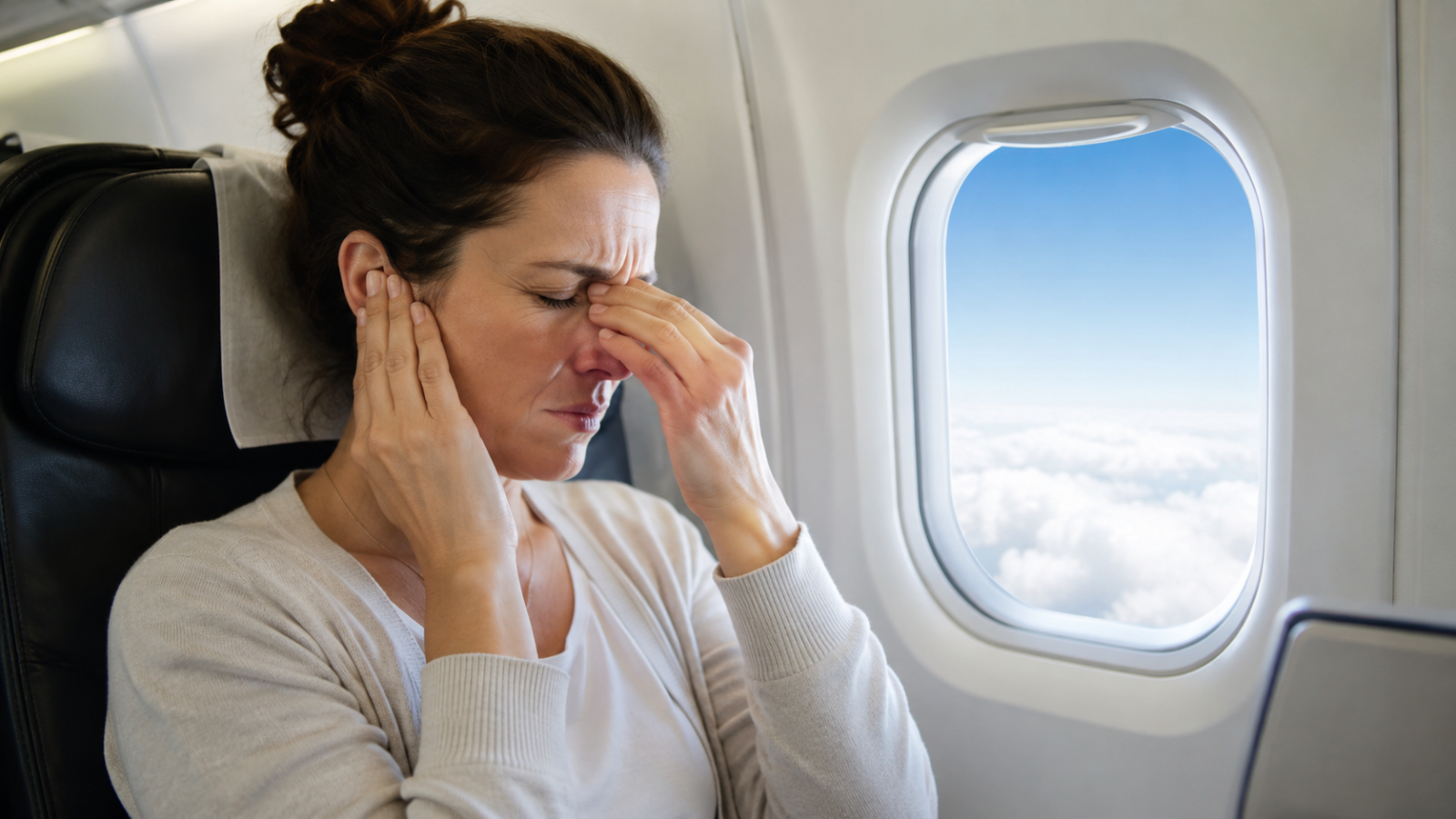
Flying should be the exciting start of a holiday, but if you have sinus problems, a blocked nose or lingering congestion, the journey can be uncomfortable before you even arrive. Cabin pressure changes during take-off and landing can place extra strain on the ears and sinuses, which may lead to pain, pressure, popping, muffled hearing or facial discomfort.
For some people, this is a mild irritation. For others, especially those with sinusitis, allergies or Eustachian tube problems, it can make flying feel genuinely miserable.
Why Flying Can Affect Your Sinuses and Ears
When a plane climbs or descends, the air pressure around you changes quickly. Your ears normally adjust this pressure through the Eustachian tubes, which connect the middle ear to the back of the nose and throat. If these tubes are blocked by mucus, swelling or inflammation, pressure cannot equalise properly, which can cause ear pain, popping, fullness or temporary hearing changes.
The same can happen in the sinuses. If the sinus openings are inflamed or blocked, trapped air and mucus may create pressure around the forehead, cheeks, eyes or upper teeth.
This is why flying can feel worse when you already have a cold, hay fever, sinus infection or blocked nose.
Common Symptoms When Flying With Sinus Problems
You may notice:
- Ear pressure or popping during take-off or landing
- Pain in one or both ears
- Muffled hearing after the flight
- Facial pressure around the cheeks, forehead or eyes
- A blocked nose that feels worse in the cabin
- Headache or sinus pain during descent
- Postnasal drip or throat irritation after flying
These symptoms are usually linked to pressure changes and congestion. However, if pain is severe, hearing does not return to normal, or symptoms continue after your flight, it is worth seeking medical advice.
Should You Fly With a Sinus Infection?
If your symptoms are mild, many people can fly without serious problems. However, flying with an active sinus infection can increase the chance of pain and pressure because the sinuses may already be swollen and blocked.
The NHS advises that sinusitis can often be managed with rest, fluids, pain relief, avoiding allergy triggers and cleaning the nose with a salt water solution. NHS Inform also notes that nasal decongestants should not be used for more than a week, as overuse may make symptoms worse.
If you have severe facial pain, fever, thick discoloured mucus, or you feel very unwell before travelling, it is sensible to get advice before flying.
How to Reduce Sinus and Ear Pressure Before a Flight
Try to manage congestion before you travel, rather than waiting until you are already on the plane.
A saline nasal rinse or spray can help clear mucus and soothe the nasal passages. NHS sinusitis advice includes cleaning the nose with a salt water solution as one of the self-care steps for mild sinusitis.
If you have allergies, take your usual antihistamine or nasal steroid spray as advised. For people prone to blocked ears when flying, NHS Devon suggests that nasal decongestant sprays or drops may help when used around half an hour before flying, alongside pressure-equalising methods such as chewing or gently self-inflating the ears.
Decongestant sprays can be useful short term, but they should not become a habit. Using them for too long can cause rebound congestion, where the nose becomes more blocked when the spray wears off.
During the Flight
During take-off and landing, try to keep the ears working by swallowing, yawning, chewing gum or sucking a sweet. These simple actions help open the Eustachian tubes and allow pressure to equalise.
Avoid sleeping during descent if you are prone to ear pain, as you are less likely to swallow or yawn while asleep. Keep water nearby and sip regularly. Cabin air can be dry, which may irritate the nose and throat, especially if you already have inflammation.
You may also find pressure-regulating earplugs helpful, particularly if you often struggle with ear pain when flying.
When to See an ENT Specialist
You should consider seeing an ENT specialist if you regularly experience sinus pain or ear pressure when flying, or if symptoms continue after landing.
This is especially important if you have:
- Repeated sinus infections
- Long-term nasal blockage
- Facial pressure or pain
- Reduced sense of smell
- Ear fullness that does not clear
- Muffled hearing after flights
- Ongoing postnasal drip or throat irritation
Recurring problems may be linked to sinusitis, allergies, nasal polyps, a deviated septum or Eustachian tube dysfunction. You can learn more about sinus inflammation and treatment options on our sinusitis page.
Final Thoughts
Flying with sinus problems can be uncomfortable, but planning ahead can make a big difference. Clearing congestion before you travel, staying hydrated, using saline rinses and managing allergies can all help reduce pressure during your flight.
If sinus or ear pain keeps happening when you fly, it may be a sign of an underlying ENT issue. At London ENT, we can assess the cause and recommend the right treatment, so your next trip starts with less pressure and more comfort.